Sunday, April 20, 2014

The Plot Thickens...

Last week I wrote about the importance of plot in a story. How writing a plotting outline can help to enhance the process and save the writer time in the long run. Keep in mind even with an outline, we careen off the beaten path... and that's okay. The characters and their journey evolve as we traverse the long and winding road to the end of our completed manuscript.


One question new writers (and not-so-new writers) often grapple with is: What is the difference between plot and conflict? Since they are so often mentioned and woven together it is sometimes difficult to recognize.
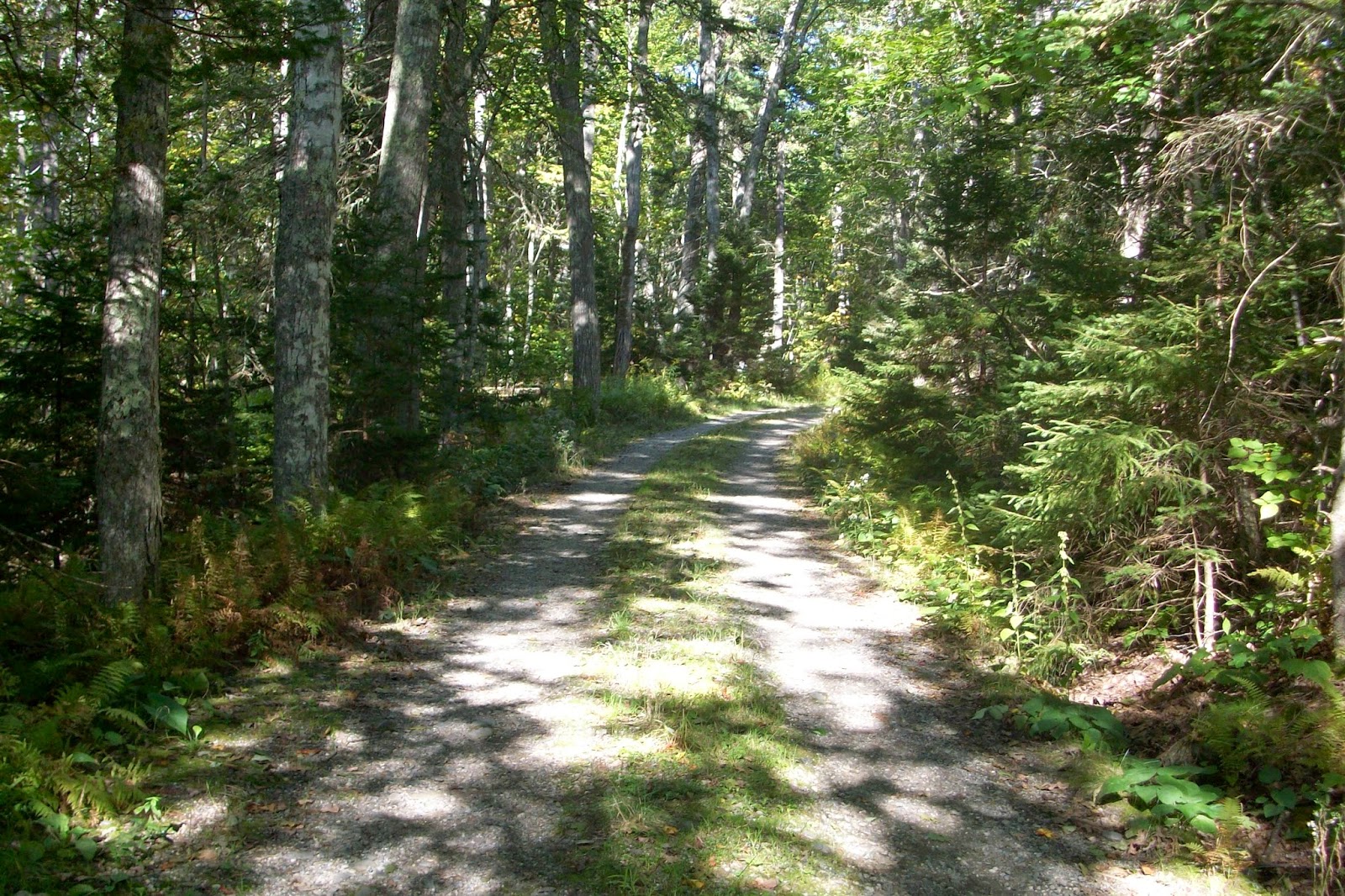
Looking at plot like a roadmap is one way I view the process.
Anytime I take a road trip I pull out my atlas and study the various paths I might take to reach my destination. Should I stay on the highway? Or venture off onto the smaller byways? Once my trip is outlined I pack my belongings and prepare to leave.
Like a plot in a book.


For our example, the plot is a road trip from point A to point B. Let's say from Truro, Massachusetts to New York City. We will add a layer and say our protagonist is going to NYC to meet a friend and attend a Broadway play. That is my plan, my outline for my story. Small town girl ventures to the big city. That's the concept, the idea. With the outline comes the step by step planning of how the trip should unfold. Time of departure, places to stop, tolls, etc.
The trip can go exactly as planned and the small town girl makes it to NYC, meets her friend, enjoys a Broadway play. Our basic plot. We can blend in some dialogue, a bit of narrative, and we create a story.
Okay, but where is the tension brought on by conflict?
 
Our small town girl ends up having car trouble and has to exit Route 95 South and have her car fixed at a service station in southern Rhode Island. She arrives in NYC an hour late but still meets her friend and makes it to the Broadway play on time. 
Is this conflict? Ah, no.
 
How about some internal dialogue for our small town girl? We, the reader, learn our protagonist is going to NYC to meet an old college friend, however she's apprehensive about seeing the friend again because of a tragic incident that happened while they were in college. It turns out they have not seen each other for ten years. Not since the night of the incident.  
Now we sense the tension of the story, we begin to feel the emotional turmoil of our main character...
 
Of course this is just a quick, simplistic example of plot and conflict. I will leave it to the real experts to help you learn and understand the craft of plotting.
 
Again, I recommend (strongly): Plot and Structure by James Scott Bell
Also a fabulous book on all the elements of writing: Writing the Breakout Novel by Donald Maass
 
Another way to help you enhance your writing experience -- as mentioned before -- is to have a critique partner or partners.
Now I recommend adding a plotting partner as well. I know several multi-published, best-selling authors who have plotting partners.
 
I want one. What a brilliant way to take a kernel of an idea and pop it into a strong, believable, can-stop-reading story!



Sunday, April 13, 2014

The Long and Winding Story


Plot: (in regards to writing) noun. -- Storyline. The plan, scheme, or main story of a literary or dramatic work, as a play, novel, or short story.


When someone asks, "What is your story about?"
How do you answer? What do you say? Do you fumble about, trying to articulate what your 100,000 word novel is really about?

When you begin writing your book, do you know what will happen? Do you know where the roadmap of your story will lead you and your characters?


One of the elements of writing that is most difficult for me is plotting.
I write long romantic suspense stories with two main protagonists and several secondary characters. I introduce conflicts that center around the romance along with the mystery/suspense of the story. And... I weave in a secondary romance as well.

This can lead to some diverse characterization and powerful conflict, however it can also make for some bumpy plotting if the author is not prepared.
When I begin a story I do some basic plotting but no serious outline. Up until now I have been more of a pantser than a plotter. I'm not certain who coined the phrase pantser, but it means writing by the seat of your pants. I do this way more than I should.
But I'm learning to change my ways. Especially now that I'm crafting a four book series. It's imperative for me to write an outline for my plot and keep careful track of my characters. I don't want to lose my story or momentum as I hurdle over a creative cliff half way through my manuscript. It happened to one of my works in progress. Very frustrating!
It's a story I love but not certain I can finish the book without a complete rewrite.


I won't give up my writing life as a pantser but now I'm a plotter too. Find a balance that works for you and your creative process.

Recommendations to help with plotting:

Plot and Structure by James Scott Bell
Story Engineering by Larry Brooks

How about you? Are you a plotter or a pantser?

Sunday, April 6, 2014

Writing Willpower


Last week I wrote of the many elements needed to create a fabulous book. One element I forgot to mention, however, is one of the most important of all:

Perseverance!
 
Without it you'll never finish your novel no matter how magnificent and talented you are at writing.


The art of perseverance comes in many forms and is tough to master. Most prevalent is the ever difficult never-give-up attitude no matter what obstacles block your way and knock you down. The motivation to set goals and keep them -- the ability to reset and reboot when you don't.
Another word for perseverance is grit. A wonderful word that brings to mind the hard, sweaty, pushing through a wall of dirt image. The grit to succeed.

...And the satisfaction of completing a novel!


One stepping stone to not only finish a manuscript but produce a well-crafted, can't-put-down story, is having a critique partner or partners. Also doing research, taking classes, attending workshops, conferences and retreats. And being involved with whatever group you can find that offers like-minded writers with the same professional focus as yourself.

Another option: Writing contests.

Contests are offered by nearly every genre and writing organization available. They are a great way to get your work (most often anonymously) judged and critiqued by fellow writers. Many offer the top scorers incentives including a read through -- and sometimes a critique -- by editors from publishing houses and notable literary agents.


Another way to hone your skills as a writer is to volunteer your services as a judge for contests. This is an excellent way to identify what works and what doesn't in a story. It helps us to read and evaluate the written word, to learn and grow as writers.
I know judging and critiquing contests has helped me immensely.


We all need a healthy dose of perseverance just to get through our daily lives. For a writer, working at the business of crafting a novel ... Supersize it!


** Look for future postings with more specific information about critique partners, writing organizations, conferences, and contests.

Sunday, March 30, 2014

Elements of Writing

 
Welcome to my rejuvenated blog!
Introducing a blog dedicated to the craft of fiction writing. Elements of writing for newbie writers, experienced writers, and multi-published authors.
Join in the conversation every Sunday for a fresh look at what elevates a story from conception to finished to fabulous.

When crafting a novel, a writer faces overwhelming challenges with the numerous elements necessary to create a riveting, can't-put-down, must-turn-the-page story.
Have you ever read a book and scratched your head because it just doesn't work for some reason? As a writer, when I'm bored with a book, I attempt to identify why the story doesn't work for me. I contemplate what I would do differently. What is missing from the story? What could be changed or enhanced for me to fall in love with the novel and keep reading?
Most readers don't take the time to wonder, they simply put the book down and reach for another.

Our job as writers, as crafters of stories, is to keep the reader engaged, enthralled -- enthusiastic to keep reading to the end. :)

Elements of Writing: Character, plot, conflict, pacing, style and setting...description, dialogue, narrative, tense and point of view.

Every Sunday I will offer up ideas, thoughts, comments, suggestions, on the many layers and nuances of each of these elements of writing. And I will feature guest posts from other writers as well.


*  *  *  *

First up: Setting

Often times when a discussion centers around crafting a novel, setting is barely mentioned. Usually one asks "What is your story about? What happens in your story? Who is the main protagonist and what is his/her struggle?" All imperative to your story, of course.
I'm interested in asking, "Where does your story take place and why?"

Where in the world -- or other world -- does your favorite book take place?

Off the top of your head, what is your all time favorite novel, and what is the setting? Or settings?
How about your favorite movie? TV show?
Where is an unforgettable place you have visited? Or lived?
What is the setting of your latest WIP (work in progress).


Setting is location, but it encompasses so much more -- atmosphere, weather, lighting, architecture, history.
The nose-tickling smell of a musty old building. The harsh sunlight beating down on an Arizona desert.

One of my books takes place during a frigid New England winter. Constant snowfalls and cold temperatures wreak havoc with my characters and their emotions.

Check back next Sunday for another installment of One Writer's Perspective with more on Setting.

Friday, March 21, 2014

Stay Tuned


Coming soon: A new updated blog with fun, interesting, educational content for the novice and experienced creative writer!

Wednesday, January 1, 2014

Welcome 2014


Another year gone, a new year to embrace!
 
HAPPY NEW YEAR!!

Tuesday, December 24, 2013